

Why Children Need Yoga: A Holistic Path to Well-Being
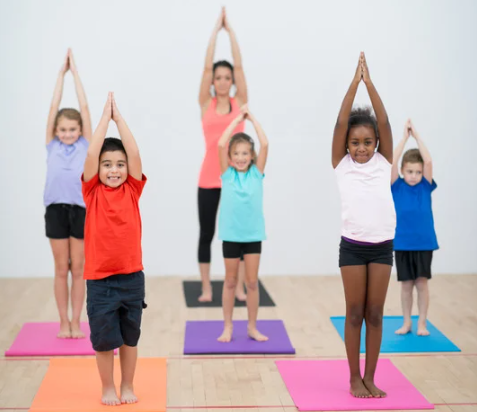
In a world where childhood isn’t always carefree, yoga offers an invaluable set of tools that support physical, mental, and emotional development. More parents, schools, and communities are recognising the benefits and research shows that children who practise yoga gain far more than just physical flexibility. NCCIH+1
1. A Growing Trend: Yoga positively impacts Children
According to data from the National Health Interview Survey, the number of children practising yoga in the U.S. more than doubled over a five-year period, rising from 3.1% in 2012 to 8.4% in 2017 and mindfulness practices such as meditation also saw dramatic growth. NCCIH
This increase reflects a growing awareness among families and educators that traditional physical activities aren’t the only way to cultivate health and resilience in children.
Now is the time to empower children with the tools of yoga and breathwork. If you feel called to support and nurture young minds, join our Children’s Yoga Teacher Training.
2. Physical Benefits: Strength, Balance & Flexibility
Yoga isn’t just stretching, it builds strength, coordination, and healthy movement patterns that complement play, sport, and everyday life. Regular practice:
Improves flexibility and posture
Enhances muscular strength
Boosts balance and body awareness
Helps regulate bodily systems, including digestion and hormone levels HealthyChildren.org+1
By encouraging mindful movement over competition, yoga creates an inclusive space where children can succeed at their own pace.
3. Mental Health: Calm, Confidence & Focus
The American Academy of Pediatrics recognises yoga as a safe and potentially effective way for children to manage stress, anxiety, and emotional challenges, skills we now know are essential, not optional. HealthyChildren.org
Beyond general well-being:
Studies show yoga can reduce anxiety and improve mood in children and adolescents. NCCIH
Deep breathing and mindfulness help regulate emotions, giving kids tools to navigate frustration, worry, or overwhelm. Childrens Yoga Teacher Training
In schools where yoga and mindfulness are used, teachers report improved self-regulation and calmer classroom behaviour. Springer
4. Academic and Cognitive Gains
Yoga cultivates concentration and executive function — the mental skills that support planning, memory, and attention. Children learn to focus through mindful breathing and intentional movement, which often translates into better performance at school. Harvard Health
Even simple practices like deep breaths or balancing poses strengthen neural pathways involved in attention and mental clarity — laying the foundation for lifelong learning.
5. Emotional and Social Development
Yoga also nurtures emotional maturity and social skills. Research indicates that children who practise yoga show:
Increased self-confidence and self-awareness
Better emotional regulation
Stronger social engagement with peers
More positive behaviours in group settings ijsr.net
These are not just “nice to have” benefits, they’re crucial skills for navigating friendships, school challenges, and the pressures of an increasingly busy childhood.
In Summary
Children today face unprecedented demands from academic expectations to digital distractions and emotional stress. Yoga provides a holistic toolkit that supports the whole child:
Physically, it enhances strength, flexibility, and balance
Mentally, it improves focus, calm, and emotional regulation
Socially, it builds confidence, self-awareness, and connection
Whether as part of the school day or through community and family practice, yoga helps children thrive, not just survive, during their formative years.
Now is the perfect time to learn how to teach children the importance of yoga and breathwork. If you’re passionate about supporting children, join our Children’s Yoga Teacher Training.